11 Month Home Warranty Inspection: Complete Guide for Homeowners

The first year in a newly constructed home is an important period for homeowners. A property may look flawless when you move in, but some construction-related issues become noticeable only after the home has been occupied for several months. Small concerns involving doors, windows, plumbing, electrical systems, HVAC equipment, roofing, drainage, and finishes can emerge with normal use.
An 11 month home warranty inspection gives homeowners an opportunity to have their property professionally evaluated shortly before a typical one-year builder warranty period expires. The goal is to identify observable concerns early enough to discuss applicable warranty coverage with the builder.
What Is an 11-Month Warranty Inspection?
An 11-month warranty inspection is generally a comprehensive review of accessible and visible components of a relatively new home, performed near the end of the first year of ownership.
The timing is important because many builder warranties have specific terms, exclusions, and deadlines. Homeowners should always review their individual warranty documents to understand exactly what is covered and when claims must be submitted.
The inspection can help homeowners create a documented list of concerns before applicable warranty deadlines arrive.
Why Wait Until the 11th Month?
New homeowners may wonder why an inspection is necessary when the property is still relatively new.
Construction defects and maintenance concerns are not always obvious immediately after closing. Normal occupancy, seasonal weather, and repeated use can reveal conditions that were difficult to identify during the initial walkthrough.
By the 11th month, homeowners have had time to observe how the property performs through different conditions.
Potential concerns may include:
- Doors that no longer close properly
- Window leaks or operational problems
- Plumbing leaks
- Electrical deficiencies
- HVAC performance concerns
- Drainage issues
- Roof-related observations
- Cracked finishes
- Damaged exterior materials
- Attic ventilation concerns
What Does an 11-Month Inspection Cover?
The exact scope depends on the inspection agreement and property. Generally, a professional inspector evaluates accessible and visible components throughout the home.
Exterior Components
The exterior inspection may include accessible siding, trim, doors, windows, decks, porches, grading, drainage, and other visible components.
Inspectors may document conditions such as deterioration, improper drainage, damaged materials, or installation concerns.
Roofing
The roof is an important part of the building envelope. An inspector may look for visible damage, installation concerns, flashing issues, drainage problems, or other observable conditions.
Even relatively new roofing systems can develop problems that become apparent after exposure to weather.
Plumbing
Plumbing systems should be checked for visible leaks, damaged fixtures, drainage concerns, water heater issues, and other accessible conditions.
Small leaks should not be ignored because they can contribute to water damage over time.
Electrical Systems
An inspection may evaluate accessible electrical panels, outlets, switches, fixtures, and other components for observable deficiencies.
When a concern requires specialized electrical expertise, a qualified electrician may be recommended.
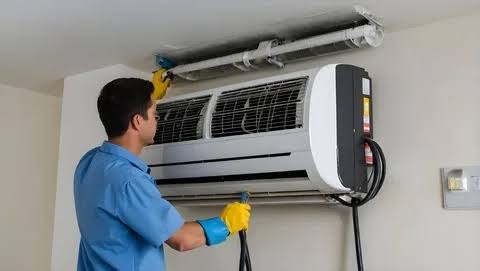
HVAC System
Heating and cooling systems are essential to everyday comfort. After months of operation, homeowners may have a better understanding of how their equipment performs.
An inspection can document accessible equipment and identify observable concerns that may warrant further evaluation or servicing.
Interior Finishes Can Reveal Problems
Homeowners often notice minor changes in interior finishes during the first year.
These may include:
- Cracks around doors
- Drywall cracks
- Separating trim
- Flooring problems
- Sticking doors
- Window operation issues
- Ceiling stains
Not every cosmetic imperfection represents a construction defect. However, documenting concerns before a warranty expires allows the homeowner to determine whether they should be discussed with the builder.
Drainage and Grading Matter
Water management is an important part of new construction. Proper grading and drainage help direct water away from the structure.
Homeowners may notice standing water, soil erosion, or areas where water collects after heavy rain.
An inspection can document observable drainage conditions and help determine whether further evaluation may be appropriate.
Why Documentation Is Important
One of the most useful benefits of an 11 month home warranty inspection is documentation.
A professional report can provide:
- Written observations
- Photographs
- Descriptions of conditions
- Maintenance recommendations
- Areas requiring further evaluation
Homeowners can use this information when communicating with their builder, contractor, or warranty administrator.
The report itself does not determine whether a builder must make a repair. Warranty coverage depends on the specific terms and conditions of the applicable agreement.
How Homeowners Can Prepare
Before scheduling an inspection, homeowners should review their warranty documents and make a list of concerns they have noticed.
It can be helpful to keep track of:
- Recurring leaks
- Doors or windows that stick
- HVAC performance issues
- Electrical concerns
- Plumbing problems
- Cracks or damaged finishes
- Drainage issues
- Unusual noises
- Areas that have previously been repaired
Providing this information to the inspector can help ensure that concerns receive appropriate attention within the inspection scope.
What Happens After the Inspection?
Once the inspection is completed, homeowners should carefully review the report and prioritize findings.
Depending on the observations, next steps may include:
- Contacting the builder or warranty administrator.
- Providing relevant documentation.
- Requesting appropriate repairs or evaluation.
- Obtaining specialist opinions when necessary.
- Keeping records of all communications and completed work.
If a concern involves structural, electrical, plumbing, HVAC, or other specialized work, an appropriately qualified professional may need to provide additional evaluation.
An Inspection Is Not a Guarantee
It is important to understand the limitations of any property inspection. An inspector generally evaluates accessible and visible components and cannot see through walls or predict every future failure.
An 11 month home warranty inspection should therefore be viewed as a proactive opportunity to identify observable concerns, not as a guarantee that every construction issue will be discovered.
Homeowners should also avoid assuming that every inspection finding is automatically covered by a builder warranty.
Why This Inspection Matters in 2026
New homeowners are increasingly interested in protecting their investments through preventive maintenance and detailed property records. A professional inspection near the end of the first year can help identify conditions that may otherwise be overlooked.
Scheduling an inspection before a warranty period expires gives homeowners time to understand their property's current condition and determine whether additional action is appropriate.
Conclusion
A new home represents a significant investment, and the first year provides an important opportunity to identify and address potential concerns. Normal occupancy can reveal issues that were not apparent during the initial walkthrough or closing inspection.
An 11 month home warranty inspection provides homeowners with a structured review of accessible property components shortly before a typical one-year warranty period ends. With a detailed report, photographs, and timely communication, homeowners can approach the warranty process with better information.

About Premium Author
This post has been authored and published by one of our premium contributors, who are experts in their fields. They bring high-quality, well-researched content that adds significant value to our platform.

Popular Categories
Stay Connected
Recent Posts