Custom Vape Pod Boxes: A Guide to Clear Labeling, Product Fit, and Responsible Packaging
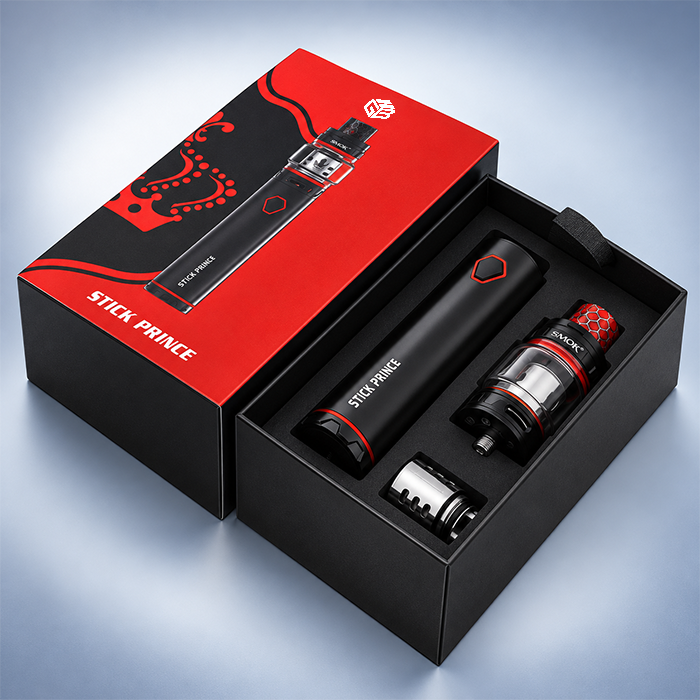
Packaging for vape pods requires more than a recognizable logo or an attractive color scheme. It needs to accommodate the product, organize important information, and support appropriate handling. Custom Vape Pod Boxes should be developed around those responsibilities before decorative details are introduced.
The same approach applies to custom cbd pod vape boxes. The product’s actual contents, intended market, and applicable requirements should guide the packaging brief. Similar-looking pods should not automatically receive identical labeling or packaging specifications.
The strongest starting point is accuracy. A carefully designed box should represent its contents clearly without implying that its appearance establishes safety, quality, or regulatory approval.
Begin With a Complete Product Brief
Before choosing a carton style, establish exactly what the package will contain. Record the pod dimensions, quantity, primary packaging, and any accessories or instructions included in the box.
Clarify whether the outer carton holds one pod, a multipack, or a combination of components. These arrangements require different internal layouts and different amounts of information.
A useful brief should cover:
The complete product dimensions
The number of units per package
The contents and intended product category
The markets where it will be supplied
Relevant handling and storage requirements
The information requiring specialist review
This preparation gives the structural designer and artwork team a shared reference.
Measure the Complete Pod and Its Inner Packaging
Measurements should include every part of the product as it will be packed. Protective caps, sealed inner packaging, and projecting components can all affect the available space.
Confirm whether proposed carton dimensions are internal or external. If an insert is included, account for the room it occupies.
The contents should sit naturally without forcing the panels outward or placing pressure on vulnerable parts. Excessive space should also be reviewed because it can leave the product poorly positioned.
Test an actual sample rather than relying entirely on a drawing. Packing, closing, and reopening the box can reveal details that are easy to miss on screen.
Choose a Structure for Practical Reasons
A straightforward folding carton may suit an individual pod package. A compartmented structure may be more appropriate for several units, while a sleeve-and-tray arrangement creates another opening format.
The choice should follow the product and workflow rather than an assumption that a more elaborate box is better.
Consider how staff will assemble, fill, inspect, and close each package. Extra layers should serve a defined purpose.
Where additional opening controls or evidence of first opening are required, assess those needs separately. An ordinary tuck flap, adhesive seal, or sliding tray should not be described as a specialized safety feature without an appropriate basis.
Give Internal Support Careful Attention
An insert should position the contents without making removal difficult. It may separate several pods, support an irregular shape, or establish a clear arrangement inside the carton.
Check that the customer can access the product naturally. Avoid a tight cutout that encourages pulling on a mouthpiece or another vulnerable component.
Review the entire system together: pod, inner packaging, insert, outer carton, and closure. A change to one component may require changes elsewhere.
A neat interior is useful, but its appearance should not replace practical testing under the intended handling conditions.
Keep Different Product Categories Distinct
Packaging should accurately reflect the product inside. Do not reuse a nicotine-product template for a CBD product, or the reverse, without reviewing every relevant element.
The wording, identifying details, warnings, and intended-use information need to match the actual contents and applicable market requirements.
For custom pod vape boxes, avoid language that implies a medical benefit or harmlessness without an appropriate, substantiated basis. Likewise, do not assume that omitting nicotine-related wording resolves every other packaging obligation.
The design process should include a qualified review of the specific product rather than reliance on a generic packaging example.
Establish a Clear Information Hierarchy
The front panel should make product identification straightforward. Supporting panels can hold the additional information required for the particular product and market.
Depending on the application, the layout may need room for:
Product name and identifying details
Contents or quantity information
Batch or lot identification
Manufacturer or responsible business details
Relevant dates
Handling and storage instructions
Applicable warnings
Other required statements
Confirm the requirements before fixing the artwork layout. Do not shrink important wording merely to preserve a decorative composition.
The outer carton and primary product labeling should remain consistent.
Use Responsible, Adult-Oriented Design
Branding should support identification without using imagery or themes that resemble children’s sweets, toys, or entertainment.
A professional visual system can rely on readable typography, controlled colors, and a consistent arrangement of information. Product variants should be clearly distinguished through written identifiers rather than color alone.
Avoid graphics or phrases that imply the product is harmless because it looks clean, sophisticated, or premium. Packaging appearance is not evidence of product safety.
Review the overall impression as well as individual words. A design can communicate an unintended message through illustrations, symbols, and decorative language.
Separate Retail Presentation From Shipping Protection
The retail carton and the delivery package may have different responsibilities. Assess the complete shipping arrangement rather than assuming an attractive outer box provides everything needed.
Review the actual packed order, including any inner containers, dividers, or additional protection. Confirm that the package suits the intended distribution process and any applicable transport requirements.
Run a packing trial with the team responsible for fulfillment. Check orientation, assembly time, product access, and inspection steps.
A repeatable process is more useful than a design that requires constant manual adjustment.
Approve the Complete Package Before Production
Proofing should extend beyond spelling. Check product identifiers, panel orientation, quantities, warning placement, and consistency across every variant.
Inspect a physical sample whenever possible. Open it, remove the contents, replace them, and check the closure again.
Keep the approved dimensions, materials, insert design, and artwork version together. Environmental statements should also be specific and supported by information about the finished construction.

About Premium Author
This post has been authored and published by one of our premium contributors, who are experts in their fields. They bring high-quality, well-researched content that adds significant value to our platform.
You Might Also Like
Popular Categories
Stay Connected
Recent Posts